About
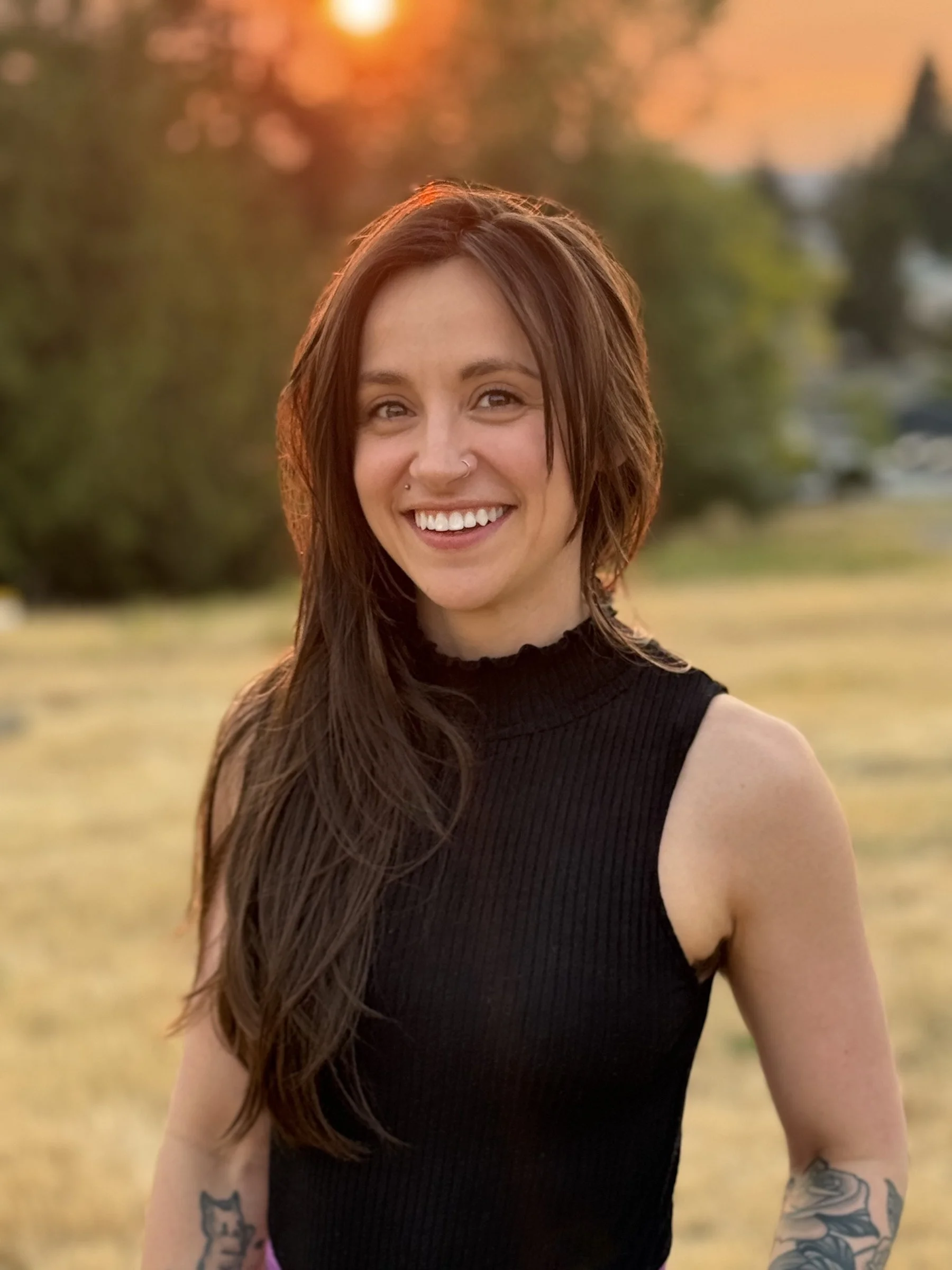
Hi, I’m Lyrissa.
I use she/her pronouns. I’m a certified relational coach and graduate student in Antioch University’s Couple and Family Therapy program.
I’m also a polyamorous, queer femme who’s navigating the challenging-yet-satisfying work of building a life outside the socially constructed norm.
Real talk.
There’s so much to be upset about in our world today. There’s a lot of fear and a lot of pain, and it’s all so heavy.
It’s also why I’m doing this work.
I want to live in a world where there’s more love, joy, and compassion—and less hate, shame, and othering. Because damn, if we don’t all need that right now. I believe that kind of collective change can start with individual liberation.
When we take back our own agency, we create space for others to do the same. So, my goal is to help you see possibilities and remove the obstacles that prevent you from bringing more of yourself to your relationships—to whatever degree feels safe and sustainable for you right now.
If nothing else, I’m a person who gets how f*cking difficult it can be trying to make sense of the human experience, and I will hold space for that.
Ready to start a conversation?
Context matters.
I think it’s helpful to know who’s in the Zoom room with you. Here’s more about me and what I’m bringing into our sessions.
-
I bring a systemic lens to our work. While this is coaching—not therapy—my approach is informed by my clinical background. I recognize that our personal struggles often exist within larger systems of power, culture, and privilege. I’m trained to hold space for that complexity, helping you navigate your reality without ignoring the context you live in.
I’m also trained in the Socratic Method with Ontology as its base. So, despite what you might have heard about coaching: I’m not here to just give you advice. I can’t tell you the “right” way to do things, either. Instead, I ask questions—sometimes hard ones—to help you uncover your own answers.
And we don't just look at what you’re doing; we dig into how you’re being about it, so we can start to see the patterns that keep you stuck.
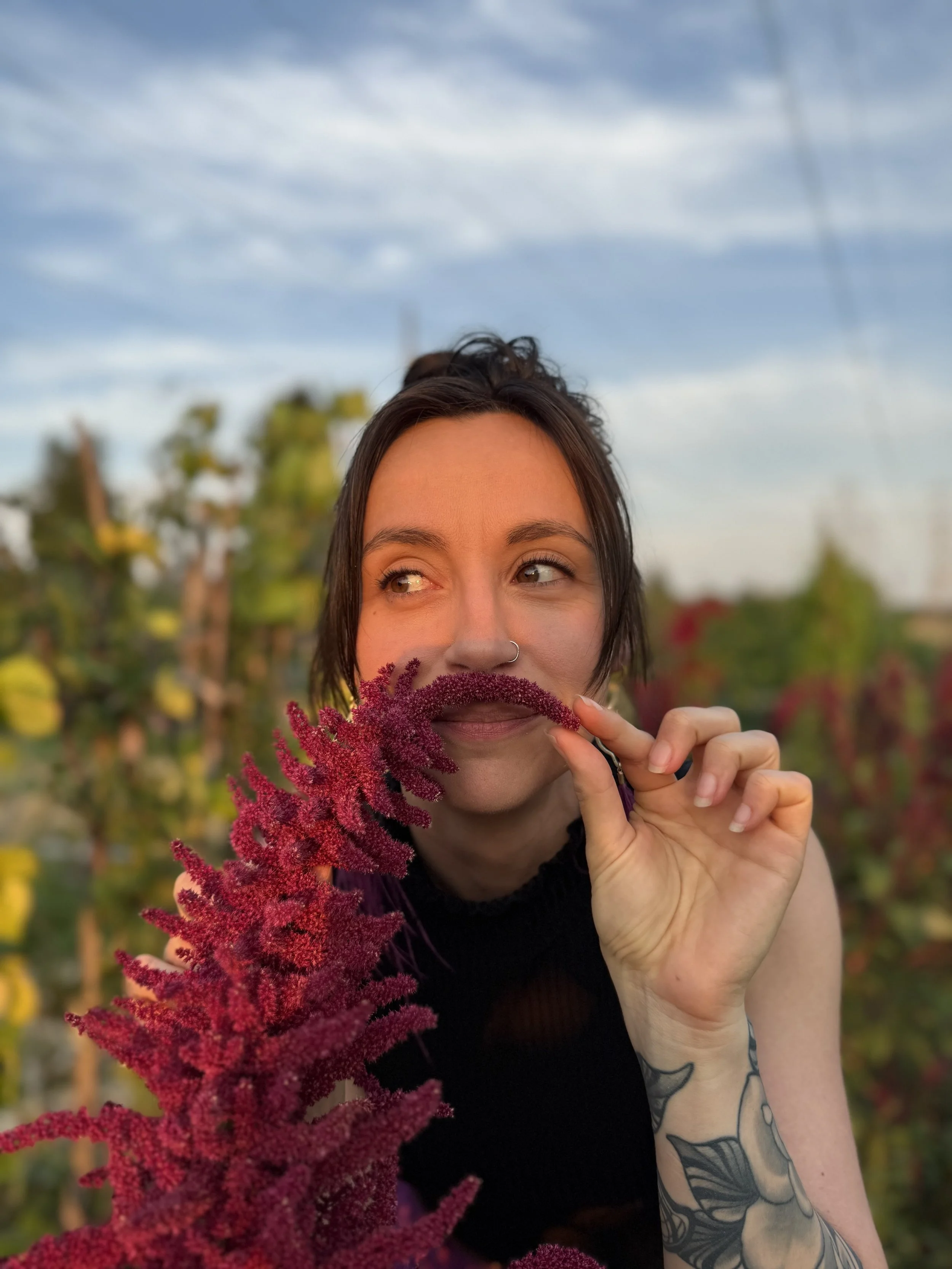
This is also me.

-
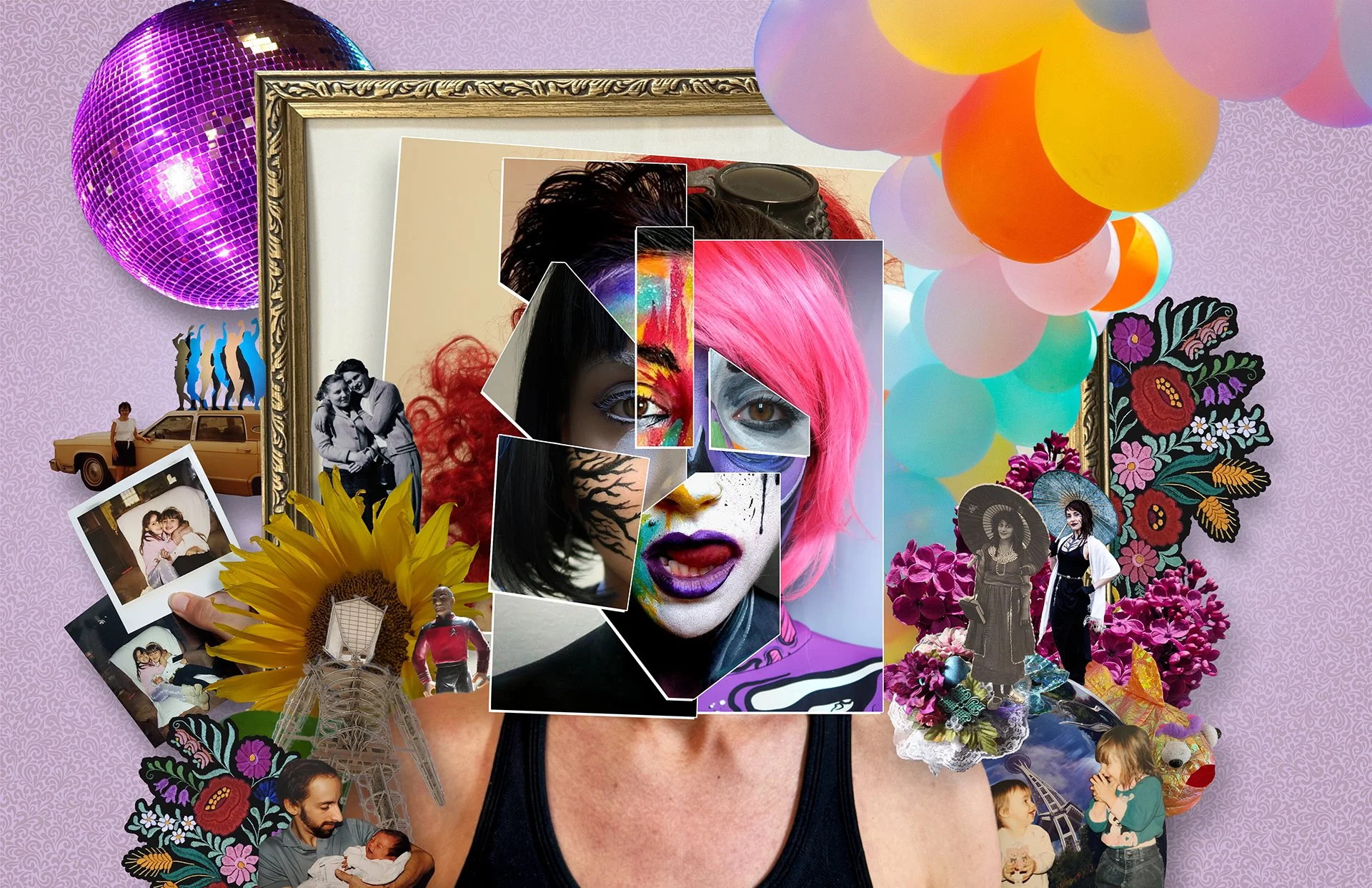
You know the type. I generally exist in a monochrome palette of violet.
(If you read that as "people-person," this is probably very confusing.)
-
(Did anyone else think of VH1 documentaries when they read that? Just me?)
Anywho, I love 80s fashion and vintage things, in general. It brings me joy to give new life to unique, funky relics of the past.
As you might suspect, I’m a huge Stranger Things fan, too.
-
Oh to exist in a post-scarcity timeline that prioritizes thoughtful diplomacy. Sounds dreamy. Replicators and transporter tech seem pretty sick too.
Full disclosure: I haven’t yet watched TOS, which may bring up feelings for some hardcore Trek fans. Also, despite growing up loving TNG (Captain Picard will always have a place in my heart), I have to admit that DS9 is the best of 90s Trek.
-
I’ve watched a lot of movies in my time on this planet. It’s my favorite kind of media to consume. I think Horror might be my favorite genre, but I do love arthouse films, musicals, psychological thrillers, and animated stuff.
I’ll watch just about anything—unless it's really, REALLY bad—which, of course, is highly subjective. I’ve only ever walked out of or turned off a handful of films, but I’m also not actively seeking the “bad” ones. 🤷🏻♀️
-
Elevating my nerd cred, one dice roll at a time. Truly though, I’m excited to have more play in my life.
I’ve only played a handful of games at this point but current favorites are: Final Girl, Escape the Dark Sector, and The Mind (which I suppose is more of a card game).
-
I’m Midwest born and raised, but the Pacific Northwest has been my home since 2011. I moved here right out of college with the person who would become my ex-husband. We married young, and we divorced young. Honestly, I was skeptical of monogamy in the first place, but I didn’t know there were other options until 2013. That’s when I stumbled into polyamory and started the messy process of unlearning everything I’d been taught about love and relating.
I would soon want to ditch the career ladder, too. In 2012, I took a job as a corporate wellness coach. It was a call center situation—we called it “drive-thru coaching”. Not ideal, y’all. But the training was solid, and the company hired some of the most brilliant, quirky weirdos who became my closest friends. Call center metrics made me crazy though, so I left and wandered into the soul-crushing world of finance—all in the pursuit of “more transferable skills”. Woof. It went about as well as you’d expect. By 2017, I burned out.
Mercifully, I was laid off and I spent the next few years trying stuff on. I was pretty tired of grind culture and wanted to avoid the corporate 9 to 5 at all costs—I didn’t yet know that I was neurodivergent, btw. I managed a design studio and then a yoga studio. I tried marketing for a friend’s small business. I took gigs, mostly in event planning. (I love making immersive, experiential spaces.) Inside of all this, I found my longest held role.
For 6 years—minus a little pandemic-induced break—I worked as a Production Assistant with an independent kink/fetish website. My “formal” title was Shine Master. As you might imagine (or even know), that industry can be deeply problematic—there are some “bad actors” and systemic issues, to be sure. I’m pleased to report that the feedback I consistently got from performers was that my presence helped them feel safe and comfortable on set. Seems like such a low bar, but it feels worth celebrating given the context.
I loved that job, which was a new experience for me. The work itself was fine; it was your standard PA work in many ways (which, I was quite good at). The interactions were the highlight, though. I loved connecting with and getting to know the folks who came to work with us. Every shoot was different, and every shoot was so wonderfully human.
It’s not terribly dissimilar to the coaching world, as it turns out. I was quickly building rapport with strangers, getting to know them over time—building trust, holding space, and offering support when needed. You might even say there were some highly transferable skills there 😉 In all seriousness, that work is what drew me back to coaching, and it’s why I’m at Antioch.
I love this job. I’m endlessly grateful that I get to be with people and their experiences in a way that strengthens community and connection.
Being a human is hard;
these books might help.
True to form as an intellectualizer, I have a tendency to cope with the human experience by studying it. Maybe you can relate?
These are some of my favorite books on the topic—the ones that have been most influential and helpful for my personal growth. I offer them as both a bibliography of my brain and a potential reading list for your own journey.
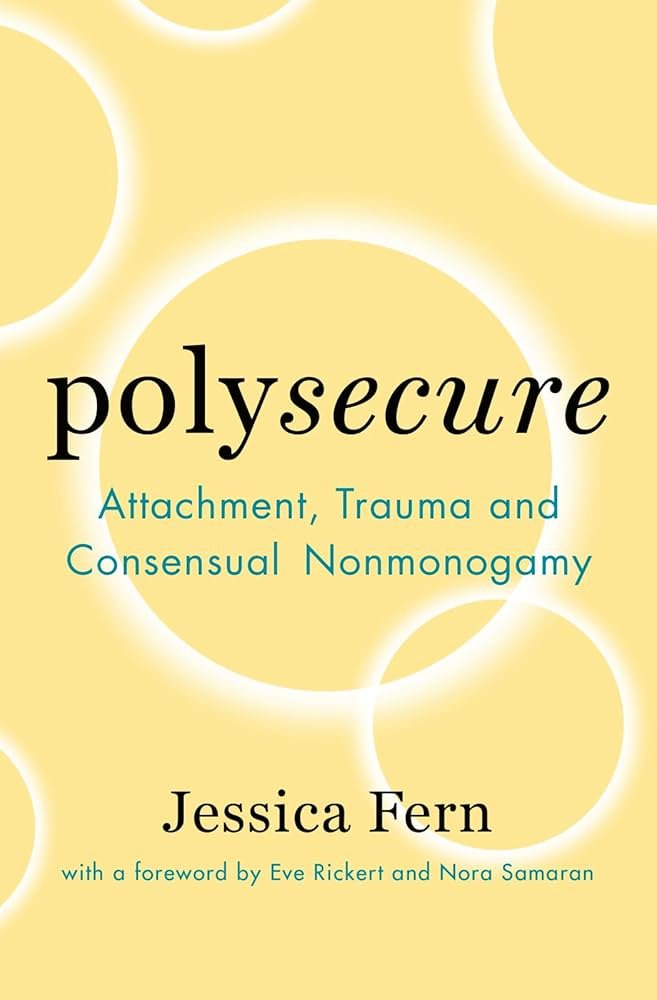
Polysecure: Attachment, Trauma. and Consensual Nonmonogamy, by Jessica Fern
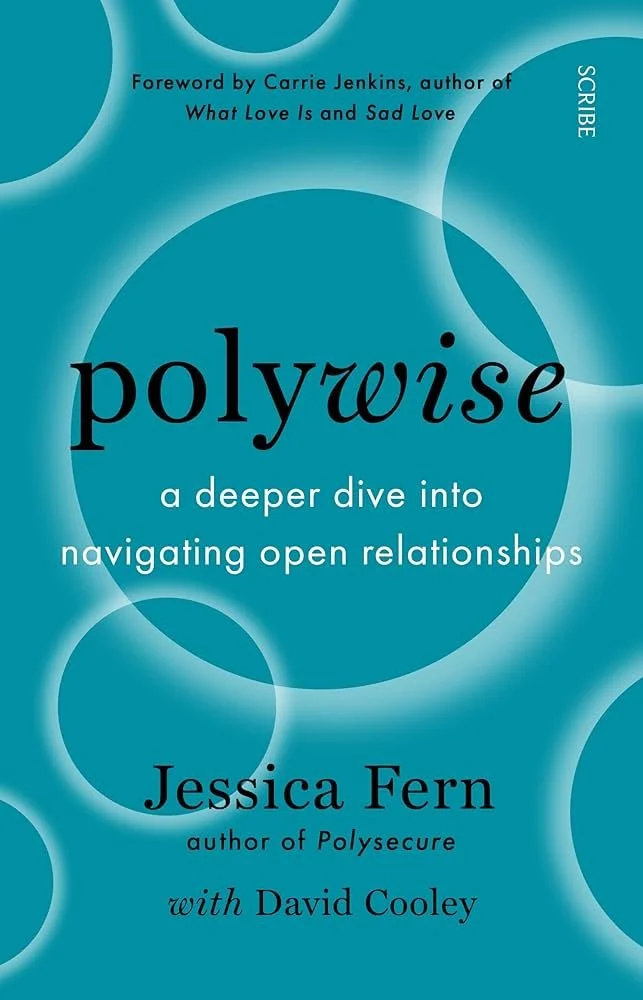
Polywise: A Deeper Dive Into Navigating Open Relationships, by Jessica Fern (with David Cooley)
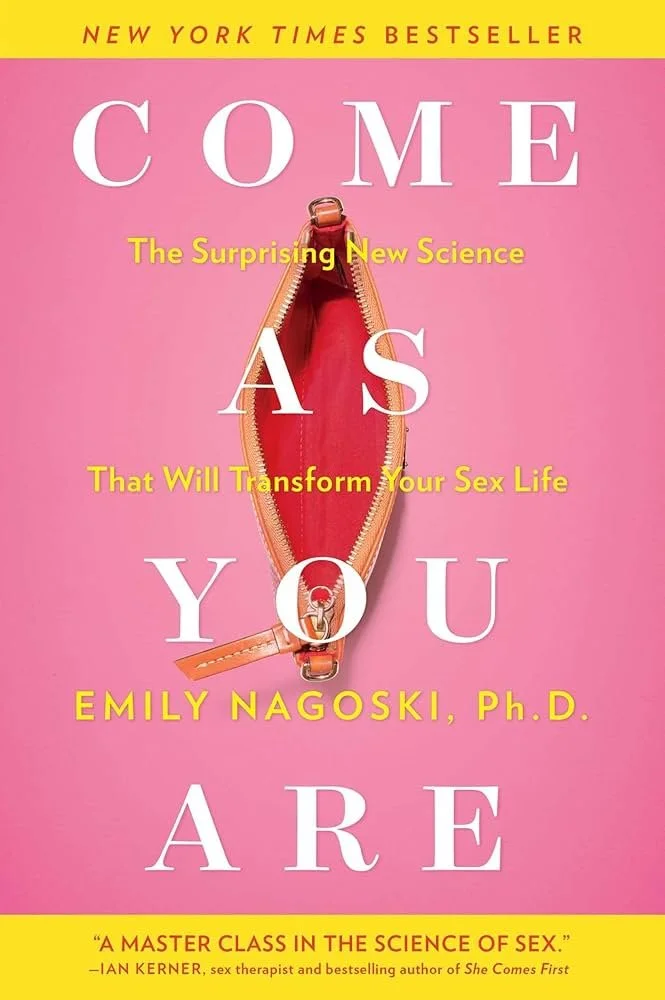
Come As You Are: The Surprising New Science That Will Transform Your Sex Life, by Emily Nagoski
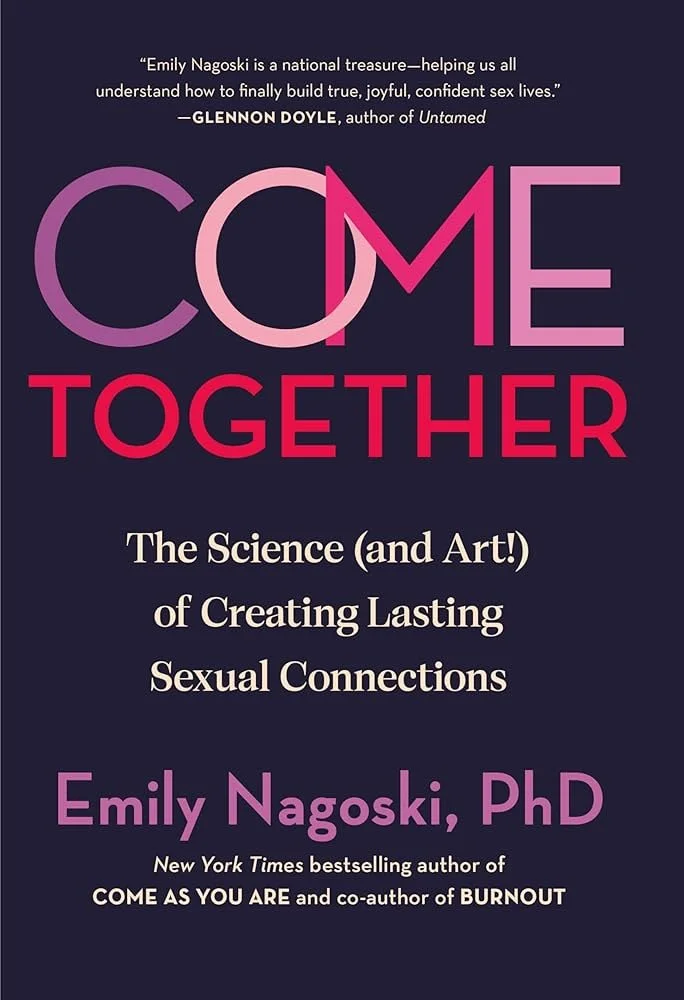
Come Together: The Science (and Art!) of Creating Lasting Sexual Connections, by Emily Nagoski
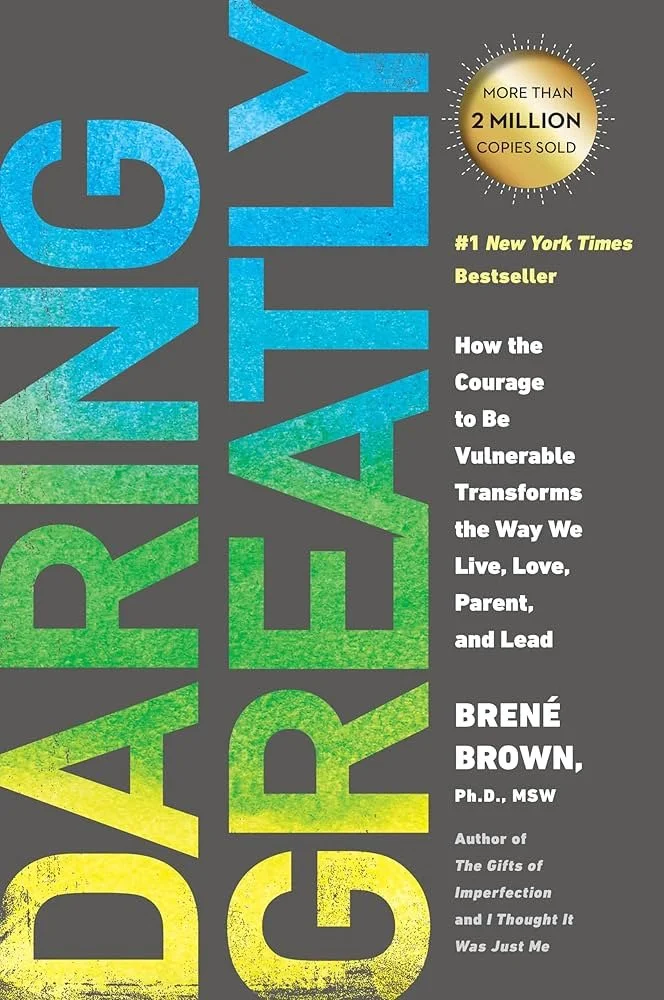
Daring Greatly: How the Courage to Be Vulnerable Transforms the Way We Live, Love, Parent, and Lead, by Brene Brown
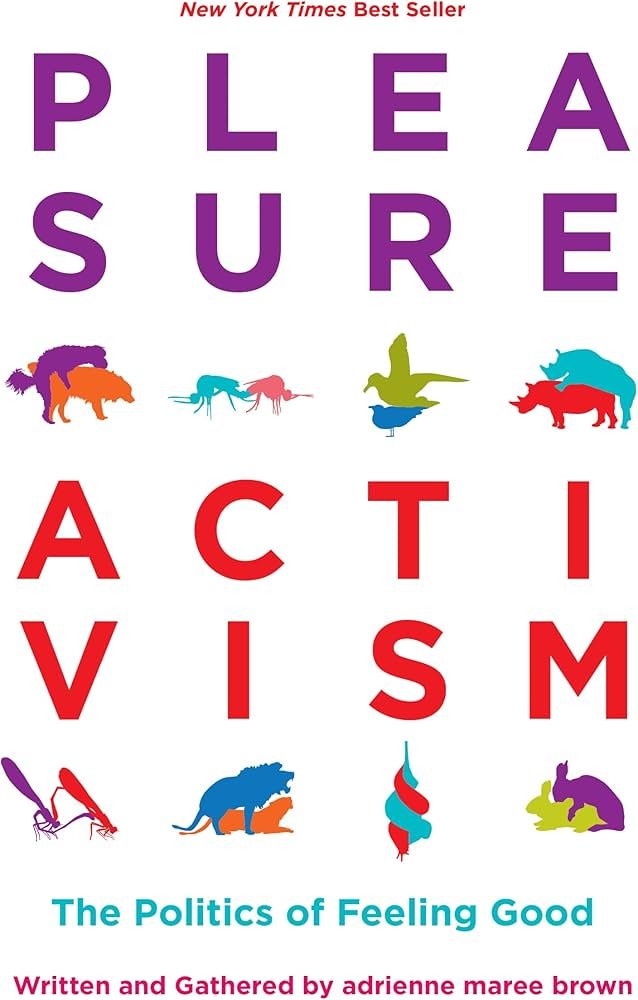
Pleasure Activism: The Politics of Feeling Good, by adrienne maree brown
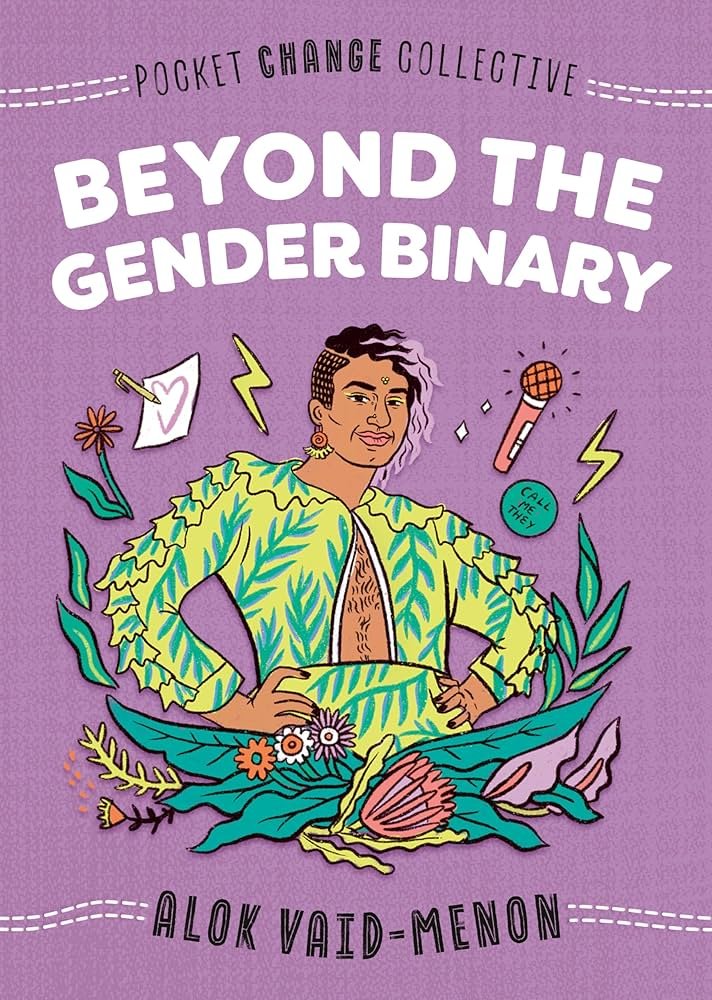
Beyond the Gender Binary, by Alok Vaid-Menon
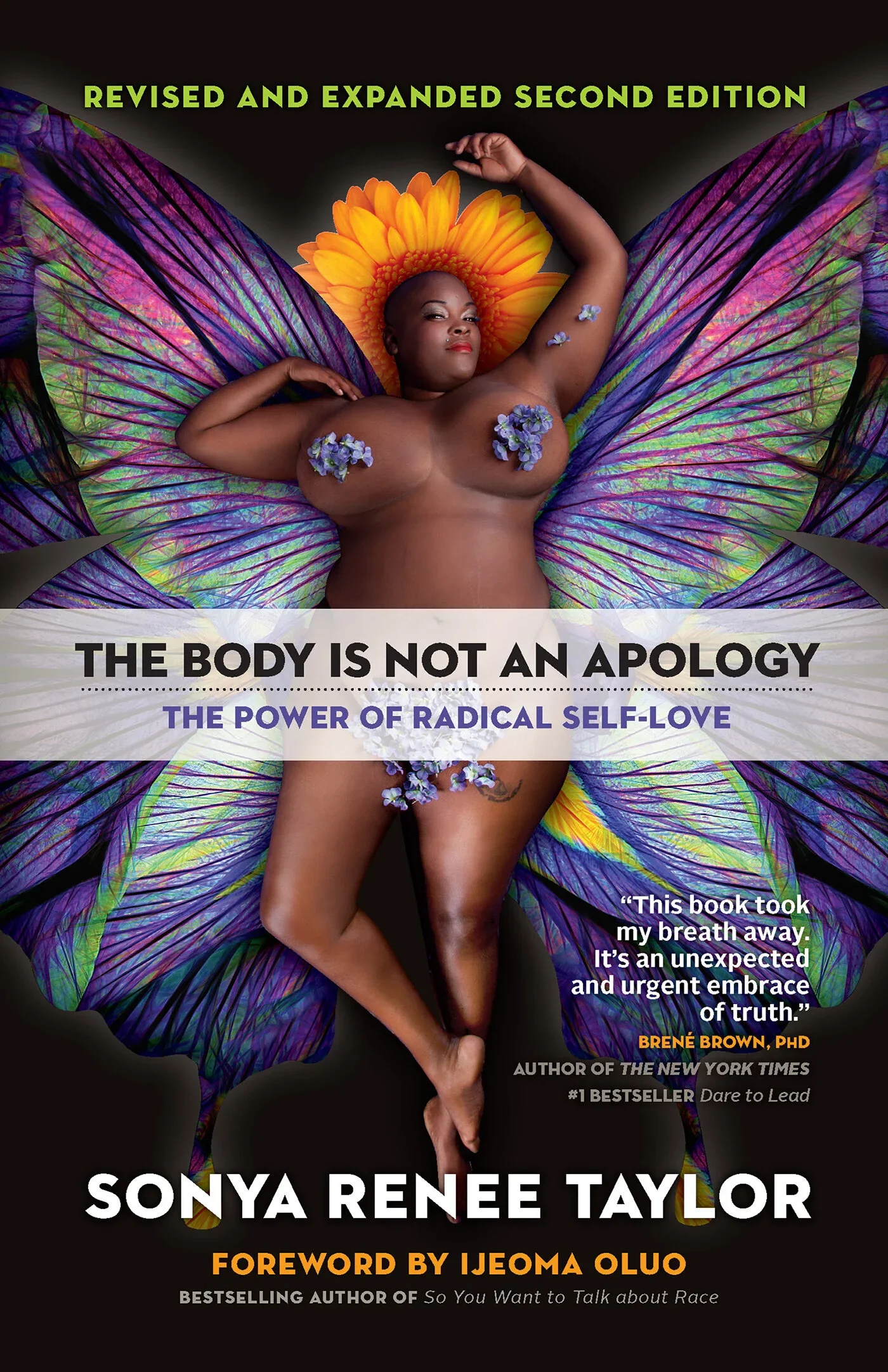
The Body Is Not An Apology, by Sonya Renee Taylor

Permission to Feel: The Power of Emotional Intelligence to Achieve Well-Being and Success, by Marc Brackett
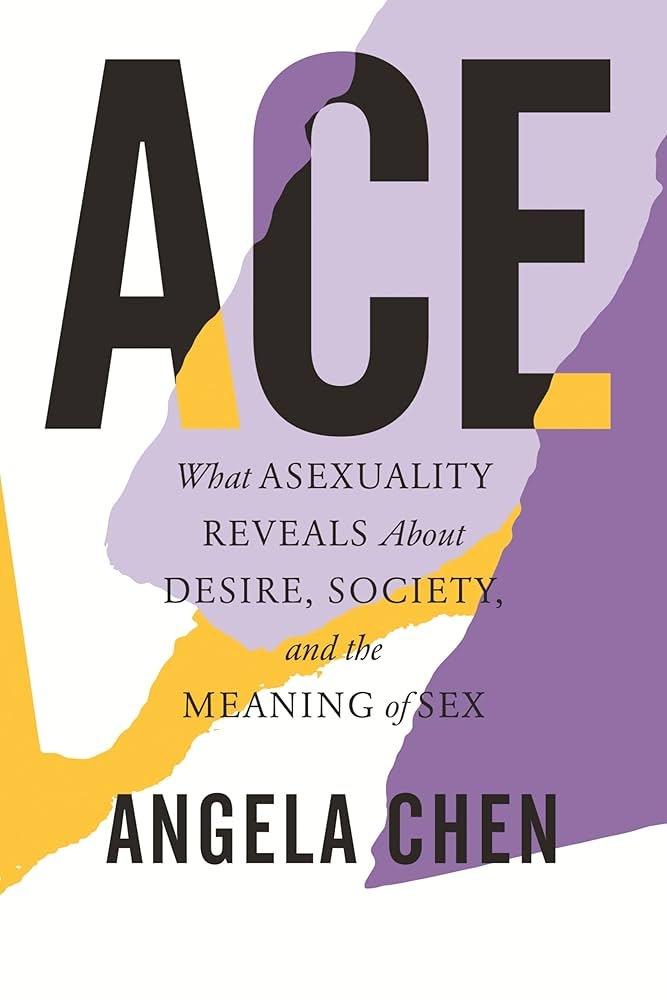
ACE: What Asexuality Reveals About Desire, Society, and the Meaning of Sex, by Angela Chen

Hold Me Tight: Seven Conversations for a Lifetime of Love, by Sue Johnson
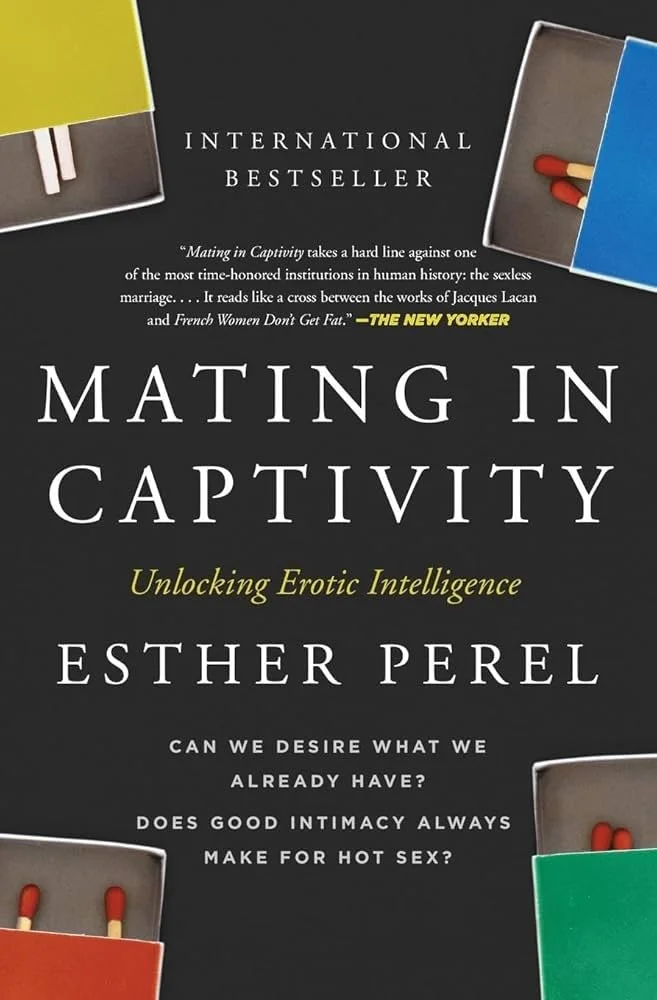
Mating in Captivity: Unlocking Erotic Intelligence, by Esther Perel
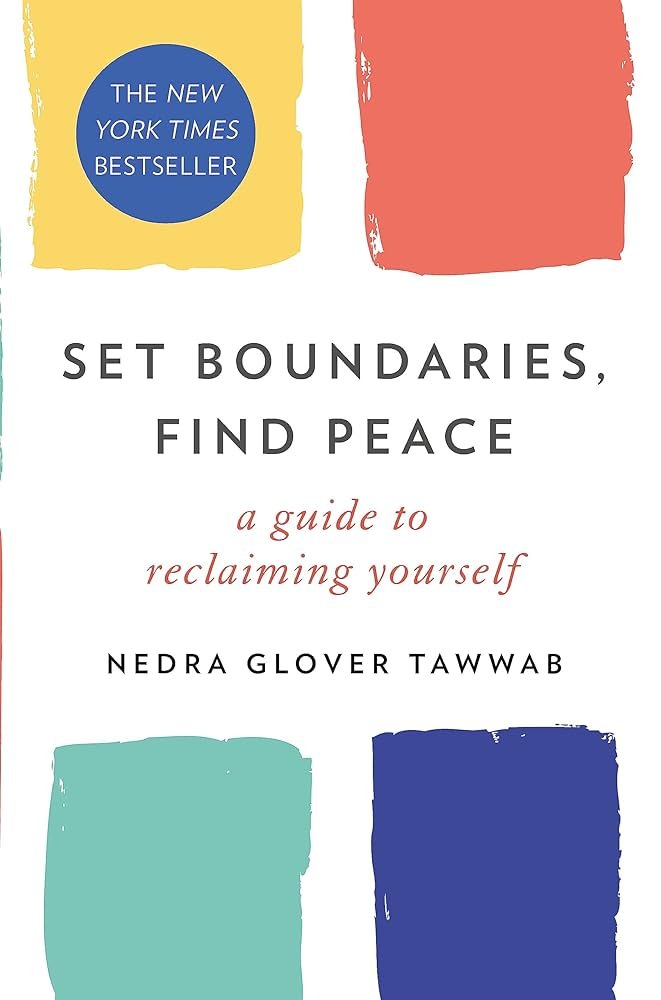
Set Boundaries, Find Peace: A Guide to Reclaiming Yourself, by Nedra Glover Tawwab